Hiring a camera operator in Las Vegas usually comes down to three things: can they operate the gear your shoot actually needs, have they done this specific kind of work before, and can they show up reliably when the schedule moves. A polished reel gets you in the door, but it doesn't answer any of those three questions on its own. This guide walks through what to ask before you book, what gear differences actually mean on set, and how experience shows up in ways a demo reel can't capture.
What to ask before you book
Start with specifics, not generalities. Ask what camera body and lenses they'll actually bring — not what they're capable of shooting on, but what shows up in the vehicle. Ask about audio: do they bring their own kit, or is that a separate line item? Ask if they've shot the exact format you need, whether that's a sit-down interview, a live event, or documentary-style coverage, since those require different instincts. And ask what happens if something breaks — do they carry backup gear, or does a card failure or a dead battery become your problem on shoot day.
Why gear matters more than people expect
Camera choice isn't a preference question, it's a practical one. A broadcast-grade camera like a Sony FX9 or an Arri Amira handles low light, mixed lighting, and a long shoot day in ways consumer gear simply doesn't. Z Squared shoots on two Sony FX9s, an Arri Amira, and a Sony FX3, alongside full broadcast and transmission packages for fiber, TVU, RTMP, and SRT delivery. The point isn't that clients need to know model numbers — it's that owned, broadcast-grade gear means fewer surprises: no waiting on a rental house, no mismatched footage between cameras, no gear that can't handle a 10-hour day in Vegas heat or a dim ballroom.
Why experience is hard to fake
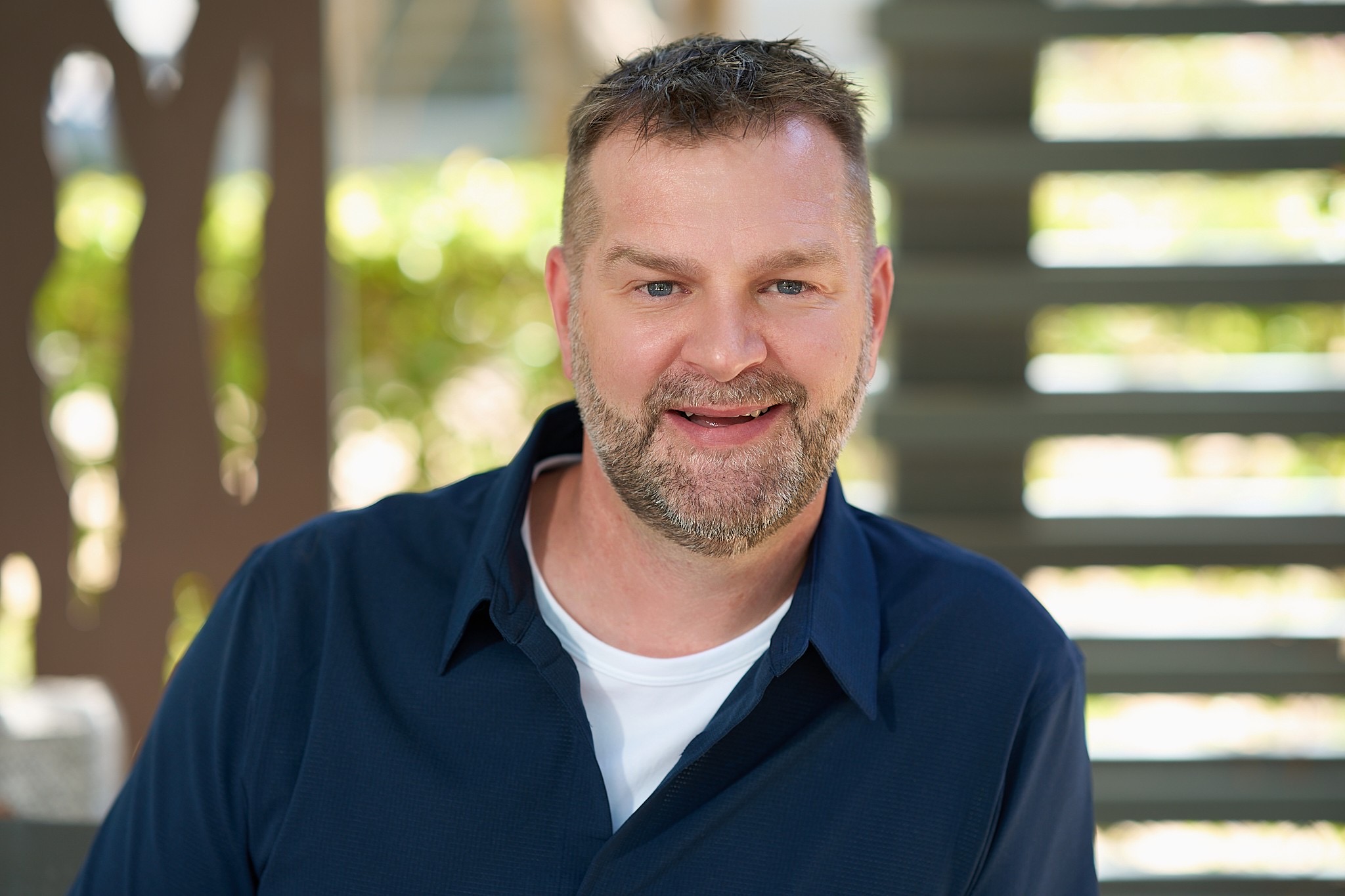
Anyone can list equipment on a website. What's harder to fake is how an operator behaves when a shoot doesn't go as planned — a subject who won't sit still, a room with terrible light, a schedule that collapses from six hours to two. That's where experience actually shows up. Z Squared's lead DP, Kyle Zuelke, started his career in Omaha in 2002 and joined KLAS-TV Las Vegas's I-Team in 2003, spending 13 years shooting daily news and investigative segments before founding Z Squared in 2016. That kind of run teaches an operator to read a room fast and adapt without a redo — the same instinct that shows up on every shoot the company books today, from an interview to a live sports package for ESPN or NFL Network.
What a well-built camera crew actually looks like
A single camera operator can cover plenty on their own, but knowing when a shoot needs more than one person is part of what makes a crew reliable. An ENG shoot might run with just a camera operator and audio kit; a more involved EFP shoot might add a dedicated audio tech and lighting. Multi-camera events call for a coordinated crew working off a shared plan, sometimes with cameras numbering into the double digits. The ENG/EFP page and multi-cam page break down what's typically included at each level, which is a useful reference before you start pricing a shoot.
How much does a camera operator cost in Las Vegas?
A standard ENG crew with camera operator, audio kit, and lighting starts at $1,950 per 10-hour day in Las Vegas. Full ENG/EFP packages that add an audio tech and additional gear start at $3,000 per 10-hour day. Live transmission and multi-cam shows are quoted per event because crew size and equipment vary too much for a flat number. If you're comparing a solo freelancer against a full crew, it's worth reading freelance camera operator vs. production company for a closer look at the tradeoffs.
For examples of the kind of work this looks like on an actual shoot day, see the work page, or for context on where day rates come from in the first place, see what affects a camera operator's day rate.
A short checklist before you book
Before confirming a booking, it helps to have answers to a handful of practical questions in writing: what camera and audio gear is included, whether backup equipment travels with the crew, how overtime is billed if the shoot runs long, and how quickly the operator can respond if plans change. None of these questions are unusual to ask, and a crew that's done this work for a while will have straightforward answers ready rather than having to check with someone else.
QUESTIONS PRODUCERS ASK
What should I ask a camera operator before booking them in Las Vegas?
Ask what camera and audio gear they own versus rent, whether they've shot the specific format you need (interview, live event, documentary), whether they carry backup gear, and whether they're available same-day if your schedule shifts. Their answers tell you more than a reel alone.
Does a camera operator's gear actually matter?
Yes. Broadcast-grade cameras like the Sony FX9 or Arri Amira handle low light, dynamic range, and long shoot days differently than consumer gear, and owned gear means fewer rental delays and more consistent results. Ask what they own outright, not just what they can access.
How much does a camera operator cost in Las Vegas?
A standard ENG crew with a camera operator, audio kit, and lighting starts at $1,950 per 10-hour day in Las Vegas. Full ENG/EFP packages with an audio tech and additional gear start at $3,000 per 10-hour day.
Should I hire a freelancer or a production company?
A freelancer can work well for a simple, single-camera shoot. A production company is the safer choice when a shoot needs backup gear, additional crew on short notice, or a broader skill set than one person can cover — and when reliability matters more than saving a small amount on rate.